
Easing the Ache: A Guide to Alleviating Muscle Soreness
January 8, 2024 Mobility, Pain, The Aging Athlete
It’s that time of year!
We are super motivated to get healthier and happier at the beginning of every year.
But with new activities, sometimes comes new aches and pain.
Muscle soreness is a common companion to a challenging workout, but it doesn’t have to be a roadblock on your fitness journey.
Post-exercise recovery is a crucial yet often overlooked aspect of a fitness routine.
Whether you’re an avid gym-goer, a weekend warrior, or a professional athlete, how you recover after a workout can significantly impact your performance, muscle growth, and overall well-being.
In this blog post, we’ll explore the importance of post-exercise recovery and share practical tips to help you optimize this crucial phase of your fitness journey.
7 Top Recovery Tips to Ease Muscle Pain:
1. Hydration Matters:
Sweating during exercise leads to the loss of fluids and electrolytes.
Proper hydration is vital for optimal bodily functions, and rehydrating after a workout is key to replenishing what was lost.
Water supports nutrient transport, helps flush out toxins, and contributes to overall muscle function.
Consider incorporating electrolyte-rich beverages or consuming foods like bananas and coconut water to restore electrolyte balance and support hydration
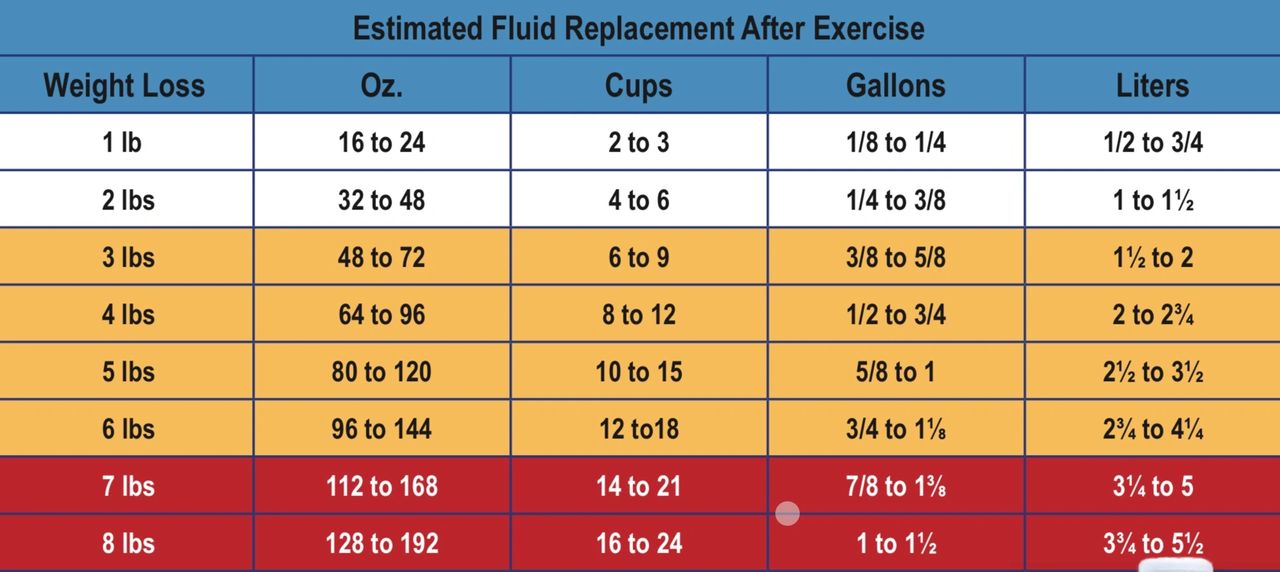
TIP: Aim to drink 8-10 glasses of water. For more detailed hydration recommendations, click the chart.
2. Nutrition for Recovery:
After a challenging workout, your muscles undergo microscopic damage.
This is a natural part of the exercise process, and recovery is where the magic happens.
Adequate rest and nutrition support the repair of muscle tissues, leading to increased strength and growth.
Fueling your body with the right nutrients plays a crucial role in minimizing muscle soreness.
TIP: Focus on a well-balanced post-workout meal that includes protein for muscle repair, carbohydrates for replenishing glycogen stores, and healthy fats for overall energy.
Consider incorporating anti-inflammatory foods like berries, leafy greens, and omega-3 rich fish to help reduce inflammation.
3. Rest and Sleep:
Quality sleep is an often underestimated aspect of recovery.
During sleep, the body releases growth hormone, which plays a crucial role in tissue repair, muscle growth, and overall recovery.

TIP: Aim for 7-9 hours of quality sleep each night to maximize the benefits of your workouts.
4. Active Recovery:
While rest is essential, engaging in light physical activity on rest days can enhance recovery by increasing blood flow and reducing muscle stiffness.
TIP: Activities like walking, yoga, or swimming can be excellent options for active recovery, promoting flexibility and helping to prevent injury.
5. Stretching and Flexibility:
Incorporating stretching exercises into your post-workout routine enhances flexibility and helps prevent muscle stiffness.
Dynamic stretching before a workout and static stretching afterward can improve range of motion, reduce muscle soreness, and contribute to overall mobility.
TIP: for low back pain here are some dynamic stretches for you to try.
6. Massage and Foam Rolling:
Massage therapy and foam rolling can aid in relieving muscle tension, improving circulation, and reducing soreness.
Regular use of foam rollers or massage tools on specific muscle groups can be an effective way to enhance recovery and prevent the buildup of tightness and knots.
TIP: Having a massage consistently is a great way to maximize recovery. Try some of these foam roller exercises for improved tissue tension as well.
7. Mind-Body Techniques :
Stress management is a crucial component of recovery.
Practices such as meditation, deep breathing, and mindfulness can help reduce cortisol levels, promote relaxation, and contribute to an overall sense of well-being.
TIP: Try to start with deep breathing techniques that focus on the diaphragm. If you are new to meditation, then try a short (10 or less) meditation first. There are lots of options, so keep trying until you find something that fits you.
What is the next step if I can’t improve my soreness with good recovery techniques?
No matter what your goals are for the new year, post-exercise recovery is not a one-size-fits-all approach, and individual needs may vary.
Incorporating a combination of proper nutrition, hydration, rest, and various recovery techniques will undoubtedly contribute to better performance, faster results, and a more sustainable fitness journey.
Prioritize your recovery, and watch as your body responds with increased energy, strength, and resilience.
If you are experiencing pain during your workouts or after, consider an injury evaluation with Dr. Shana or Dr. Cathy at MyPT!