
Stuck At A Desk? Unlock the Secret to Shoulder Pain Relief!
February 26, 2024 Movement Education, Pain

In our fast-paced, desk-bound lives, it's not uncommon to experience nagging shoulder pain. In the clinic we often get people with shoulder pain that increases with driving, sitting at a desk, and many times it is worse when sleeping.
They have tried everything:
Going to the doctor - xray was normal and maybe told you have tendonitis of the Rotator Cuff.
Went to see PT - they treated your shoulder, increased your strength, and stretched you out with limited relief.
You stretch and use heat and ice but the pain continues!
And LOTS of Advil!
Nothing seems to get rid of the shoulder pain!
If this sounds like what you are going through, I’m going to tell you a secret…
It’s probably NOT your shoulder! The pain is likely coming from your NECK!
More often than not, the pain in your shoulder stems from poor posture, a silent culprit wreaking havoc on our musculoskeletal system, resulting in pain.
In this blog post, we'll explore the common causes of shoulder and neck pain related to posture and unveil five effective strategies to alleviate discomfort and enhance overall well-being.
Understanding the Causes:
Poor posture!!

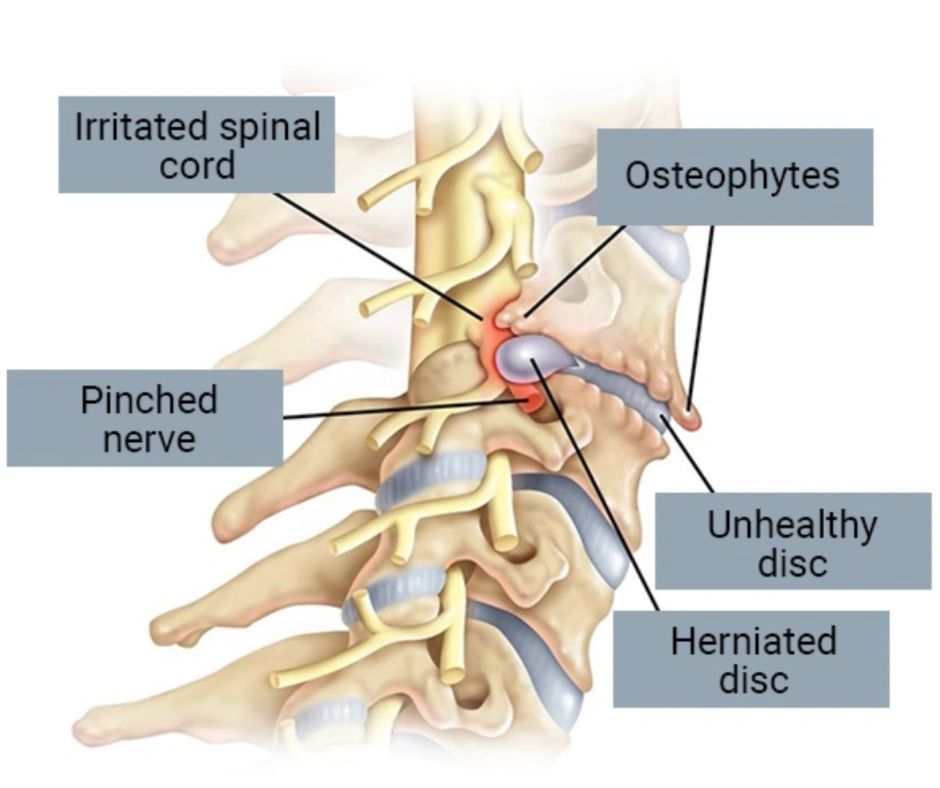
Prolonged periods of slouching or maintaining incorrect sitting positions can strain the muscles and put extra pressure on the disks of the neck, resulting in pressure on the nerves that go down the arm
All of the nerves that control sensation and movement, start in the neck. They travel out from the spinal cord through tiny holes between the bones of our spine. These holes can become more narrow for several reasons.
First, they may narrow because the bones change over time and begin to grow around the holes, this is found in arthritis.
Second, postural positions may make these holes smaller because of position
And third, the cushion between the bones in our neck, called disks, can become inflamed and bulging due to pressure placed on one side too much.
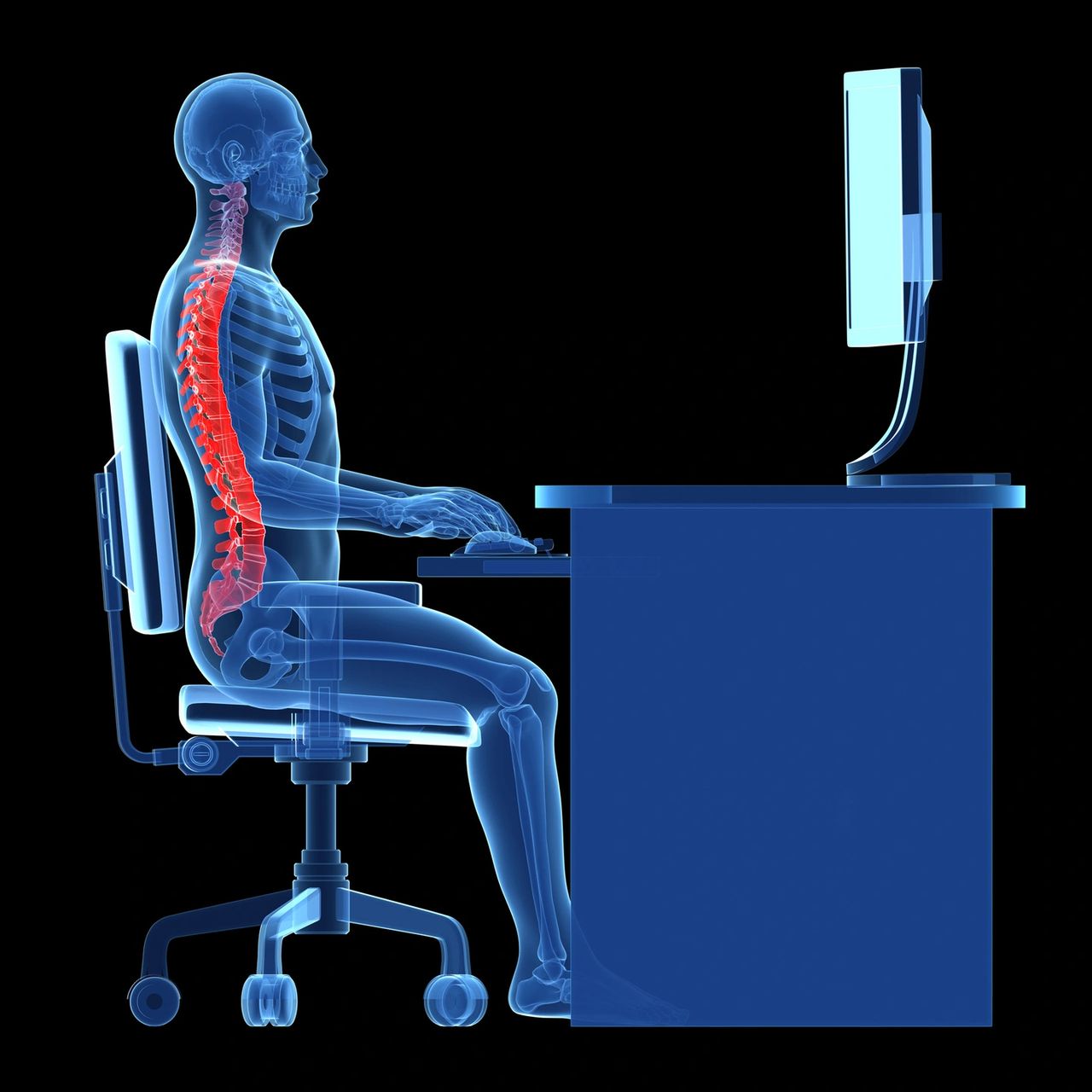
Poor desk ergonomics (desk setup), including improper chair height and screen position, contributes significantly to poor posture and subsequent pain.
Lack of Movement: Sitting for extended periods without breaks deprives the muscles of regular movement, leading to stiffness and discomfort.
We need to change position, and get our blood flowing during the day to reduce tension. So get up and move!
Muscular Imbalances: Weakness or tightness in certain muscle groups, often a result of a sedentary lifestyle, can contribute to pain in the neck and shoulders.
Stress and Tension: Emotional stress can manifest physically, causing muscle tension and exacerbating neck and shoulder pain.
If you have a stressful job, it is important to be aware of when you are holding stress in your neck and shoulders to reduce pain.
5 Strategies To Decrease Shoulder and Neck Pain:
1. Mastering Posture:
Postures are different all throughout the day. Sometimes we are sitting, or standing, or bending forward. There are good ways to hold a nice neutral posture, regardless of the position you must be in.
For our purposes of this blog, we will focus more on sitting posture.
What does good posture look like?
Imagine a string tied to the crown (toward the back) of the top of your head. If that string is pulling straight up toward the sky, it will pull you into a good neutral posture.
Ears over shoulders, your chin should stay low, shoulders relaxed and slightly back, and your pelvis in an upright position.
Good posture should always feel relaxed!! If you feel like you are holding something tight to get into good posture, you are likely “overdoing it”!
2. Avoid postures that will increase shoulder pain!!
Here is a list of general DON’Ts for daily life to reduce shoulder pain caused by nerve pain:
DON’T hang your head to look at your phone!
DON’T sleep with more than 1 pillow under your head at night if you lie on your back!
DON’T prop your head up at night to watch TV or read. Lay flat or sit all the way up.
DON’T lean against your headboard, unless you are fully supported under your back and there is no pressure on the back of your head.
DON’T work on your laptop in your car.
3. Set up your workspace properly:
Setting up your desk is critical to decreasing stress on the neck resulting in shoulder pain.
Follow this link for a great article on setting up your desk properly
For now, here are some useful tips to try:
Eye Level Screen: Position your computer screen at eye level, so the top of the screen is about 1” above eye level
Chair Support: Use a chair with proper lumbar support to encourage a natural curvature of the spine.
Chair Height: Ideally your hips are slightly higher than your knees, and ankles and elbows can be at 90 degrees at rest.
Mouse and Keyboard Position: Try to keep the keyboard and mouse in a position where you do not reach out for it. Many times, this may mean having a keyboard tray.
Screen Distance: Place the screen at a distance where you are not straining your neck or eyes to see it. This is especially important as we age and our vision changes.
**If you have the opportunity to try a standing desk, do it!!
4. Embrace Movement:
Take Breaks: Incorporate short breaks every 30 minutes to stand, stretch, and move around, reducing muscle stiffness.
Try setting a timer to remind you to move.
Whenever you get up to move, try taking a deep breath and dropping your shoulders down when you exhale. You may be surprised how much tension you are holding in your neck and shoulders!
5. Strengthening and Stretching Exercises:
Neck Strengthening and stretching is an important way to support and sometimes combat the postures that you use all day!
Check out the videos below for a desk routine throughout the day!
Having a daily routine at home to reverse some of the negative effects of your work postures, can be a great way to reduce or even eliminate shoulder pain!
A good focus of the exercises is neck strength, shoulder blade strength and stability, and neck and chest stretching.
Check out the video below for some exercises to reduce neck and shoulder pain from sitting at a desk.
By understanding the interconnected nature of shoulder and neck pain with posture, and implementing these five key strategies, you can take significant steps towards a pain-free and healthier workday.
Remember, small adjustments can lead to profound changes in your well-being.
If you are struggling with shoulder pain and haven’t found the answers, then visit us online and schedule a free consult to see how we can help to get you on the right track!