

Ahhh… Spring in Wisconsin.
Birds are chirping, the sun is shining, and the snow is melting!
Runners are anxious to get back outside and stop running 1,000 laps at the Pettit Center.
But just like our wonderful Spring weather that can dump 9 inches of snow on us on a random day in March, our running injuries that we thought were at bay, can jump out at us again seemingly quite unexpectedly.
Why does this happen? How do we know which injury is actually one that we should pay attention to?
All you runners out there know what I’m talking about…
“That only hurts because I ran outside today.”
“That will go away after a run a little more.”
“That always hurts, it’s no big deal.”
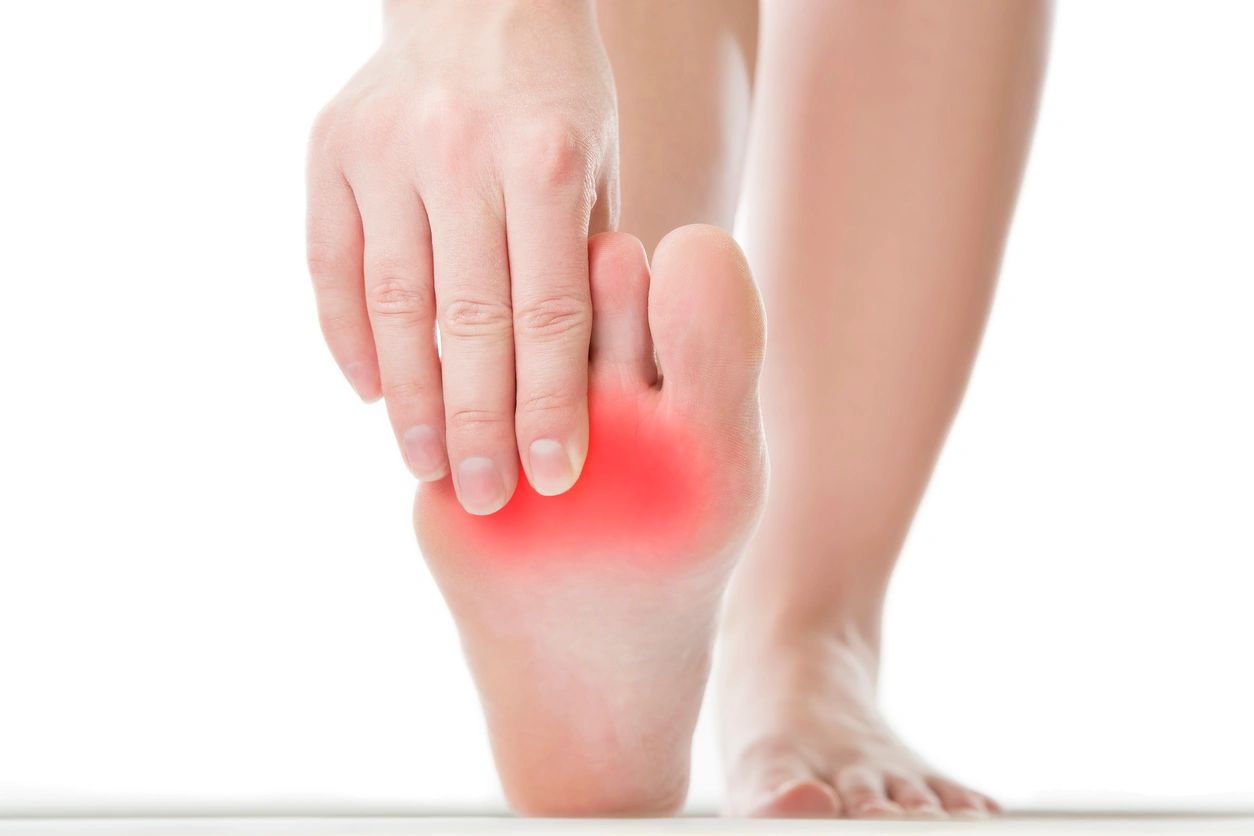
Don’t get me wrong, sometimes the things we tell ourselves are actually true!
But… there is a little bit more to knowing if this is true or when we may need to take action to prevent time away from the activity that we love!
How Do I Know I’m Ready To Get On The Road?
There is always the chance for injury as we change our intensity or the type of activity we are doing. Sometimes those issues need to be examined by a Physical Therapist or other medical professional to recover.
But good news! I’ve got a few simple questions you can ask yourself, that when answered HONESTLY, can help you know which road to take to keep your pain free and injury free:
#1. How long is my pain lasting?
#2. Does my pain increase with activity?
#3. Does my pain change with rest?
Keeping your answers to these questions in mind, let’s play a little Red Light/Green Light!
Green Light = Good to Go!

You are ready to run! You may still have some soreness at times, but this is completely normal when we challenge our tissues to do things that are difficult and taxing.
*Pain = 0-3/10 (0=no pain, 10=you should go to the ER)
*The motion in the joint that is sore is still smooth and fluid
*No increased pain in the area of concern for 24 hours after activity
Yellow Light = Decrease Intensity

You are OK to continue running at this point, but you need to modify your intensity. This may mean adjusting distance, frequency, speed, or effort.
*Pain = 3-5/10
*Some stiffness or a catch in the motion of the joint
*Pain decreases with rest
Red Light = Stop!

Listen to your Body!! Something isn’t right!
If you choose to keep pushing through pain at this point, the likelihood of a more severe injury is high. You should seek out the opinion of a Physical Therapist, or other trained professional to diagnose the issue and give you a plan to return to running without further injury.
*Pain = 6-10/10
*Motion in the joint is limited and/or painful to move
*Pain is constant, doesn’t relieve full with rest and requires pain medication
After answering these questions, if you are at a red or yellow light, then it’s time to address why you have pain so that you can improve it and get back out there.
**Of course, this information is here to give you a general idea and cannot be broadly applied as each individual moves differently and has a different history.
Understanding your own body by seeking the opinion of a Physical Therapist or other medical professional can give you an accurate assessment and a tailored plan to address your unique movement patterns.
So let’s look at some of the options to ”Why” you might be painful.
Why Do I Have Pain When I Run?
We can narrow down the WHY of most running injuries into
6 reasons.
The good news? We have control over all but 1!
1.Training Spikes
Changing the Volume (mileage) or Intensity (how hard we push ourselves) too quickly or aggressively is a training spike.
Intensity encompasses a lot of variables including: the type of run you do (ie:hills, tempo, fartlicks, etc), the surface you are running on (outdoors vs indoors, trail vs pavement, track vs treadmill, etc), frequency, distance, as well as speed and effort..
2. Increasing Demand on Tissues That Aren’t Ready
Running puts a certain amount of force through your body - 2-3x your body weight [1]! That’s just a fact.
With the increased demand that running requires from your tissues, we need to prepare our tissues to support that demand.
Incorporating some strength training into your weekly routine is important to create a strong and stable base for you to push off of to run. Strength training plays a very important role in our running performance. But that’s a whole other blog topic!
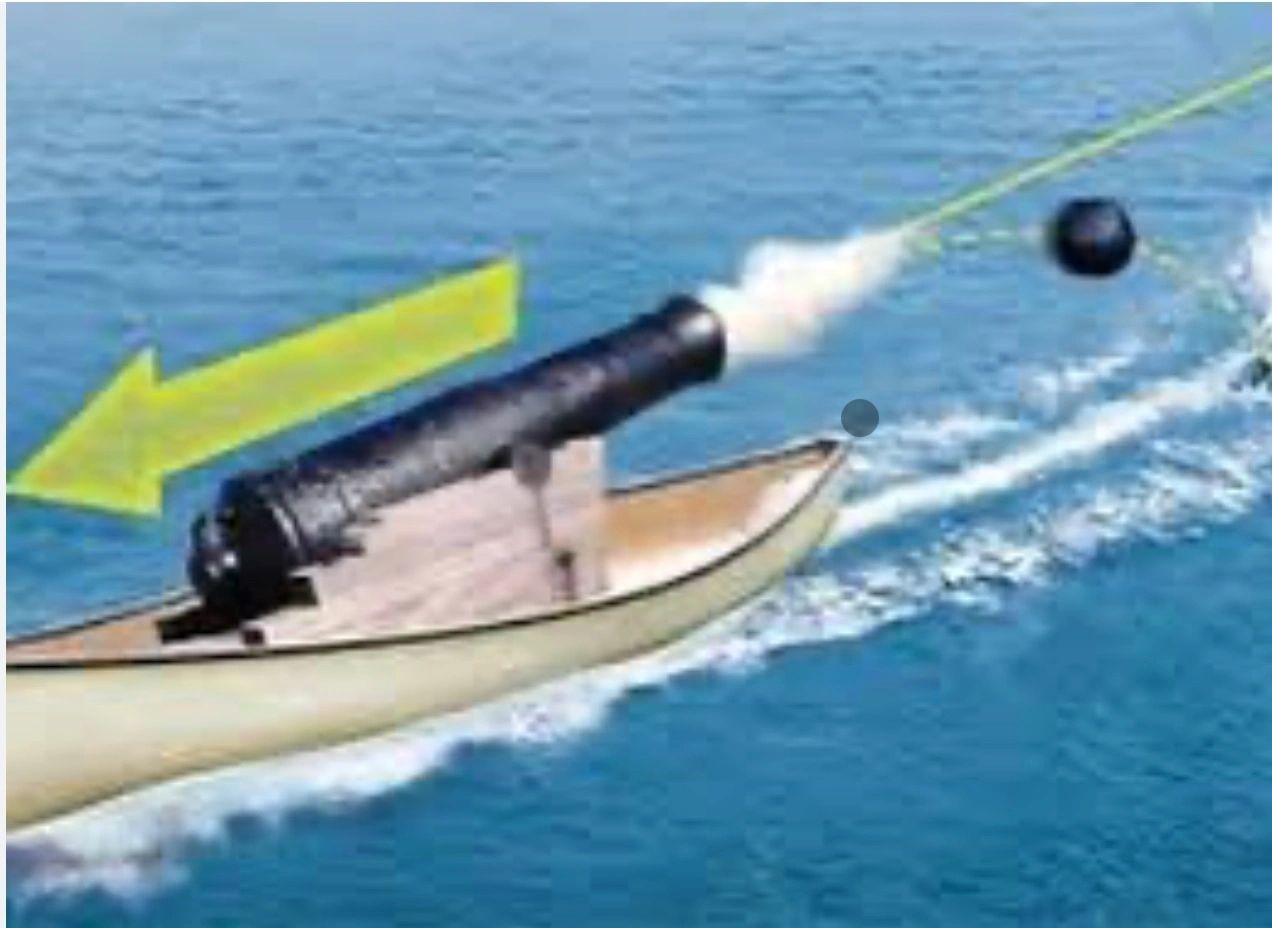
If your tissues aren’t ready to support the increased demand, then it is like trying to shoot a cannon out of a canoe. Imagine the waves that would create!
Those “waves” in our body can cause things like tendinitis, shin splints, runner’s knee, IT Band syndrome, etc. All those nagging overuse injuries.
3. Prior Injuries
Did you take care of that old nagging injury?
Is the low back pain you had last year still lingering?
Do you still ”feel” that sprained ankle you figured you’d just walk off?
These injuries will come back to haunt you if they don't recover fully and efficiently. Our body is incredibly smart! When we have a nagging injury that we haven’t fully addressed, then our body will create a new pattern of movement or “compensation” so it can still complete the task you are asking it to do.
This compensation allows your body to do what we want, through your body’s “path of least resistance”. When these compensations continue, then muscles and joints begin to move in ways that they are not designed for and can cause additional issues long term.
Example: You sprained your ankle last year. You rested 2 weeks and returned to running. However, your ankle joint is still stiff and not moving as well as it did before you sprained it. Due to the stiffness in your ankle, your knee drops toward the middle of your body when you run to help you still try to push off that big toe for power. This puts increased tension in your knee as well as in your hip on the same side. Now you have 3 problems instead of 1!
4. Poor Recovery
Running is so fun!
But running is also pretty darn demanding of our bodies [2].
Proper recovery days are crucial to staying injury free. Recovery days don’t always mean sitting on your couch and watching videos of your high school track glory days.
Even after injury, “PASSIVE rest/recovery” is different from “ACTIVE rest/recovery.” While research is limited in this area on which specific activities are best, we know that a variety of different inputs to your tissue like strength and mobility training help with the overall health of your tissues and lead to less overuse injuries.
Yoga, swimming, row machines, and upper body or core strengthening are all great recovery day activities.
Your cool down recovery immediately following your run is also important!
Check out these videos to understand why and get some ideas of what do:
5. Poor Equipment
How often are you replacing your shoes?
When was the last time you actually talked to an expert in the shoe world?
I like to think of shoes like cars. Makes and models change, update and improve every year. Sometimes a whole new version or brand new model gets released.
There are people out there who keep up with this stuff and know it inside and out. The brick and mortar shoe store may be harder to come by these days, but if you know a good one with good people, definitely use them! It is much different than just ordering your shoes online after reading an article about the latest and greatest.
Eric Pilling at Andare Sports in Bayside, WI is my personal fave! www.andaresports.com.
Keep in mind, a drastic change in your shoe can also dramatically change how your body reacts while running. If you are going from a bulky shoe, to a very minimal shoe, take your time with this transition!
6. Bad Luck
Sometimes we don’t see that crack in the sidewalk, the pothole on the trail or we slip on the street paint when it’s raining (my personal favorite stupid injury).
One time, I was waving hi to a neighbor and literally ran into the hood of a parked car and dislocated my kneecap!
Sometimes bad luck happens!

But GOOD NEWS! - this is the ONLY factor we can’t control (most of the time - I definitely could have not run into a parked car).
I Don’t Want to Stop Running!
We often hear that runners avoided seeking care because they didn’t want to be told to stop running.
Unfortunately, this can often result in worse injury, surgery, or longer periods away from running.
The GOOD news is, with the right care, and right caregiver, most of the time you don’t have to stop!!
As a Physical Therapist, my **goal** is to keep you running WITHOUT times of stopping!
*There are injuries such as stress fractures, ligament injuries, or severe cartilage injuries, that require periods of total rest. If you reach the point of having one of these injuries then you need to seek out the care of a physician and rest is inevitable.
However, the majority of issues that runners deal with, can be managed through Physical Therapy and movement training, without completely stopping your time on the road!
As Physical Therapists, we evaluate your movement and then help you learn how to change movement patterns that may be contributing to injury or may lead to injury if not corrected. The best way to avoid injury and time away from running is to understand your own body and listen to what it is telling you!
At MyPT, our goal is to get to know how you move so that you can continue to do what you love.
For Yellow and Red Light Runners, MyPT will diagnose and treat the source of your pain to get you back on the road.
Through one-on-one care, MyPT can provide you with the knowledge and understanding of your injury or limitations so that you can adjust and prepare your body better so you can continue to do what you love!
Additionally, Dr. Cathy Walls is not only a Physical Therapist, but is also a Running Mechanics Specialist!
Through the use of video analysis, she is able to help you to understand your running mechanics and improve your movement patterns to prevent and recover from injury.
Dr. Walls can also utilize this specialized training to help analyze Green Light Runners to improve efficiency, speed, and mechanics to set them on a path of pain free running throughout life.
Do I Need to See A Doctor First?
In many states, no physician referral is required prior to seeing a Physical Therapist!
Many Physical Therapists are Doctoral Level trained meaning that we are trained to diagnose and treat musculoskeletal injuries. Your Physical Therapist will determine if your issue is within their scope of practice or refer you to a physician if it is appropriate.
I Want Help, What Do I Do Next?
Contact your Physical Therapist!
Or if you are in severe pain, then don‘t wait and seek out the care of a medical provider!
Every Physical Therapist is different, so if you have a “bad experience”, it may just be that you didn’t find the right fit!
If you are interested in learning more about MyPT and how we can help you to run pain free, then click the logo to schedule online!
Or if you are ready to “run better”, then click the link to schedule your Running Mechanics Evaluation.

Come see us!
We can’t wait to get you back on the road!
Take care of your body! It gives you so much, so make sure you give back to it!
Movement is medicine and we want to keep you moving!